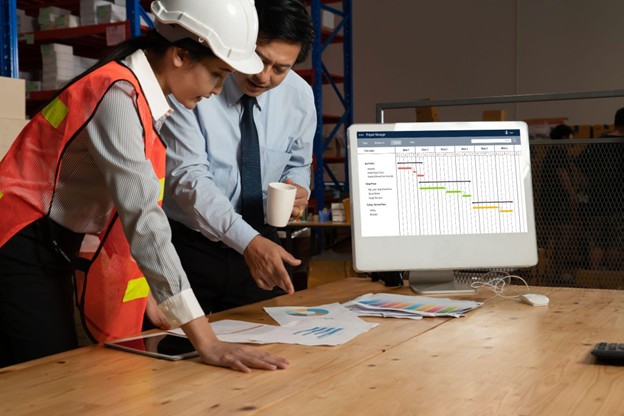
Operational resilience has become a defining priority for modern facilities. Global Industrial reviews long-term performance through the lens of stability under pressure, recognizing that efficiency during steady periods is only part of the equation. True strength lies in the ability to absorb disruption, adapt quickly, and sustain continuity when conditions shift.
Resilient operations are reinforced by:
- Durable infrastructure built for continuous industrial demand
- Diversified supply chains that reduce dependency risk
- Safety protocols that protect workforce and workflow
- Digital systems that improve visibility and response time
- Cross-trained teams prepared to manage operational shifts
When preparation is structured rather than reactive, resilience becomes embedded in daily operations rather than activated only during crisis.
Industrial and commercial facilities operate within a landscape influenced by supply chain volatility, labor fluctuations, weather events, regulatory changes, and evolving customer expectations. Preparing for uncertainty requires more than contingency plans. It demands structured systems, durable infrastructure, and proactive operational discipline.
Resilience is engineered through preparation.
Understanding Operational Vulnerabilities
Every facility contains potential points of disruption. Identifying and addressing these vulnerabilities is the first step toward building resilience.
Common operational risks include:
- Supply chain delays that impact inventory availability
- Equipment breakdowns that interrupt workflow
- Labor shortages affecting throughput
- Cybersecurity threats targeting digital systems
- Severe weather events disrupting logistics
Facilities that anticipate these stressors are better equipped to mitigate their impact. Structured risk assessments allow leadership teams to allocate resources strategically rather than reactively.
Preparedness reduces volatility.
Strengthening Physical Infrastructure
Durable infrastructure forms the backbone of resilient operations. Material handling systems, storage solutions, and safety equipment must withstand continuous use while remaining adaptable to changing demands.
Resilience-driven facility investments often focus on:
- Heavy-duty shelving and racking systems designed for high load capacity
- Reinforced workstations that support repetitive industrial use
- Reliable lighting systems that enhance visibility and safety
- Backup power solutions for critical operations
- Weather-resistant equipment for outdoor or variable environments
When core infrastructure is engineered for durability, facilities reduce the likelihood of unplanned downtime.
Strong foundations stabilize performance.
Inventory Management and Strategic Stocking
Inventory strategy plays a central role in operational resilience. Over-reliance on just-in-time models can expose facilities to disruptions during supply chain instability.
Balanced inventory planning may include:
- Safety stock thresholds for high-demand items
- Diversified supplier networks
- Real-time tracking systems for inventory visibility
- Demand forecasting supported by historical data
- Clear reorder point protocols
By combining technology with disciplined planning, facilities can maintain service levels even during logistical challenges.
Visibility strengthens decision-making.
The Role of Safety in Continuity Planning
Safety preparedness directly influences operational stability. Workplace incidents not only affect employees but can halt production and create regulatory complications.
Proactive safety strategies often involve:
- Regular hazard assessments
- Emergency response planning and drills
- Updated safety signage and protective equipment
- Ongoing employee training in compliance protocols
- Documentation systems that track incident reporting
Guidance from agencies such as the Occupational Safety and Health Administration underscores the importance of maintaining rigorous safety standards across industrial environments.
Facilities that prioritize safety reduce disruption and reinforce workforce confidence.
Protection supports productivity.
Technology as a Resilience Multiplier
Digital tools enhance the ability of facilities to respond quickly to change. From inventory tracking systems to predictive maintenance software, technology improves visibility and responsiveness.
Resilience-focused digital integration may include:
- Predictive analytics that identify equipment wear before failure
- Cloud-based systems that support remote monitoring
- Automated alerts for inventory shortages
- Digital workflow documentation for continuity
- Secure cybersecurity frameworks protecting operational data
Technology does not eliminate risk, but it accelerates response time and supports informed decision-making.
Speed of adaptation often determines outcome.
Workforce Preparedness and Cross-Training
Human capital remains central to resilient operations. Cross-trained teams provide flexibility when staffing challenges arise.
Effective workforce strategies include:
- Cross-functional skill development
- Clear role documentation for operational coverage
- Structured onboarding for rapid integration
- Leadership training to support crisis management
- Transparent communication channels across departments
Facilities that invest in employee readiness build institutional knowledge that strengthens long-term continuity.
Adaptable teams sustain operations during disruption.
Supply Chain Diversification
Global supply chain volatility has highlighted the importance of diversification. Relying on a single sourcing channel increases exposure to delays.
Resilient procurement models often emphasize:
- Multiple vendor relationships
- Regional sourcing alternatives
- Strategic long-term supplier partnerships
- Contract flexibility
- Performance monitoring systems
Diversification reduces dependency risk and enhances operational control.
Flexibility improves stability.
Scenario Planning and Continuous Improvement
Resilient facilities treat preparedness as an ongoing process rather than a one-time initiative. Scenario planning enables leadership teams to evaluate potential disruptions before they occur.
Structured scenario planning may involve:
- Simulation exercises for operational interruptions
- Review of emergency communication protocols
- Evaluation of insurance and risk mitigation coverage
- Financial stress testing
- Periodic review of contingency supply levels
Continuous improvement strengthens adaptability.
Resilience evolves alongside operational complexity.
Financial Discipline and Resource Allocation
Preparing for uncertainty requires disciplined capital allocation. Investments in durable infrastructure, safety systems, and digital tools often yield long-term cost savings by preventing expensive disruptions.
Financial resilience strategies typically focus on:
- Maintenance budgeting to reduce equipment failure
- Strategic reinvestment in facility upgrades
- Cost-benefit evaluation of redundancy systems
- Risk-adjusted planning for expansion
- Performance tracking to inform future allocation decisions
Proactive investment reduces the financial impact of unexpected events.
Planning supports longevity.
Final Thoughts
Building resilient operations requires a comprehensive approach that integrates infrastructure durability, safety discipline, workforce readiness, and digital visibility. Facilities that prepare systematically for uncertainty strengthen both operational continuity and long-term performance.
Uncertainty will remain a constant factor in industrial and commercial environments. Organizations that anticipate disruption rather than react to it position themselves for sustained stability.
Resilience is not defined by avoiding challenges. It is defined by the capacity to adapt, recover, and continue delivering reliable performance when conditions shift.
